Filippo Napoletano
1589 – 1629
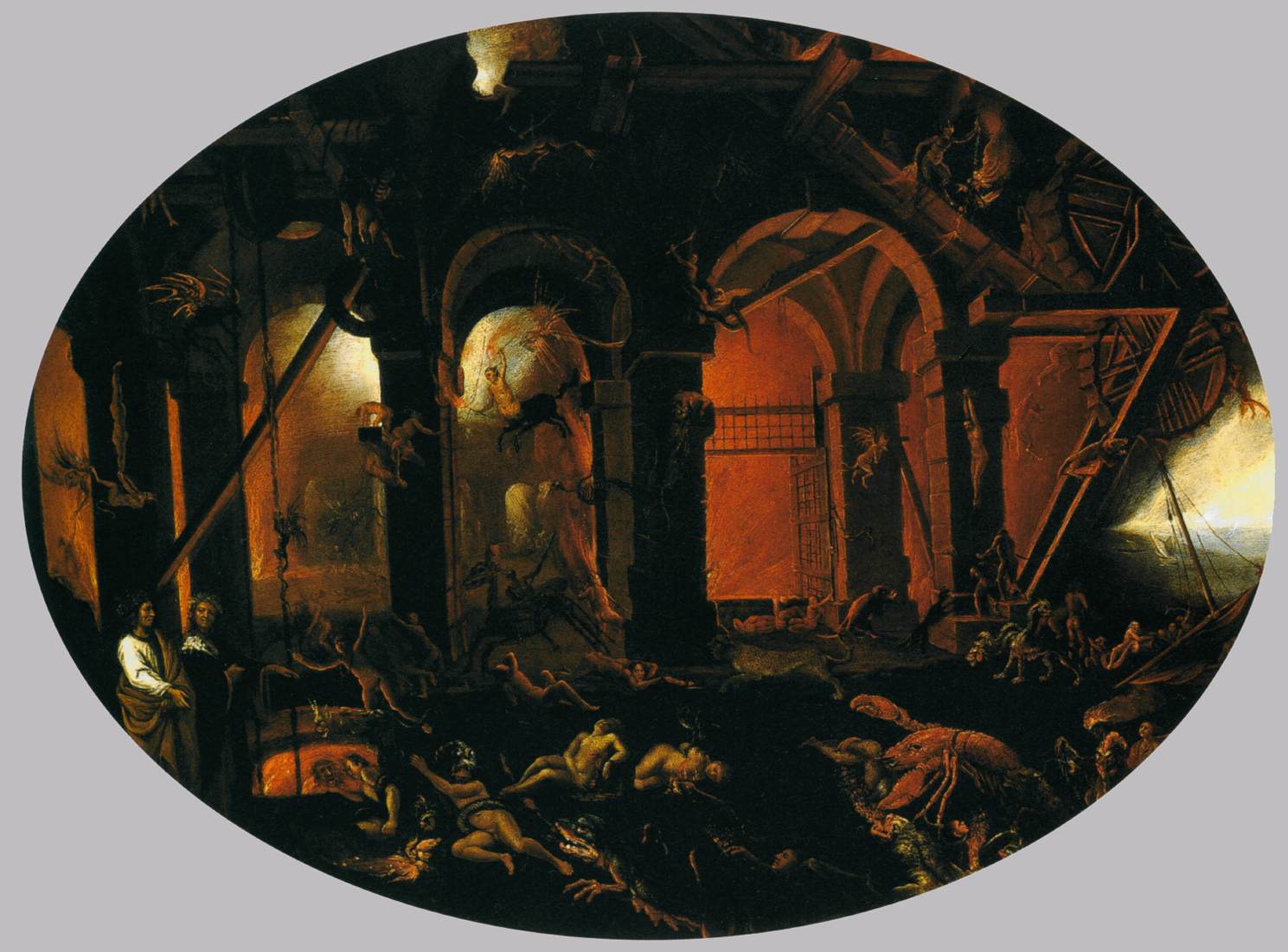
Italian painter, originally Filippo d'Angeli or de Liagno. After training in Naples with the landscape painter Goffredo Wals, in about 1614 Filippo Napoletano moved to Rome where he became a member of Agostino Tassi 's workshop. Strongly influenced by Adam Elsheimer, Paul Bril and Tassi, Napoletano painted, according to Giulio Mancini, 'fires and boats' though no extant work can be securely assigned to his early years in Rome. From 1617 to 1621 he was active in Florence in the service of Grand Duke Cosimo II de' Medici, working closely with Jacques Callot. Besides the occasional religious and mythological subject, Napoletano produced landscapes and small scenes of everyday country life. During this time he was in close contact with the Dutch Italianate painters Cornelis van Poelenburgh and Bartholomeus Breenbergh, who also worked for the Medici. Soon after the death of Cosimo II in 1621, Napoletano returned to Rome, where he decorated the palace of Cardinal Guido Bentivoglio with landscape frescoes (1622-23, now Palazzo Pallavicini-Rospigliosi). He also supplied the Barberini tapestry manufactory with a series of cartoons depicting famous castles, including Fontainebleau, Grottaferrata and Castelgandolfo (1627, private collection). According to Giovanni Baglione, Napoletano was the first Italian artist to paint from nature at Tivoli. Soon after his election as 'principe' of the Accademia di San Luca in 1629, Napoletano fell ill and retired to Naples, where he died that same year.
View all works →