Carel Fabritius
1622 – 1654
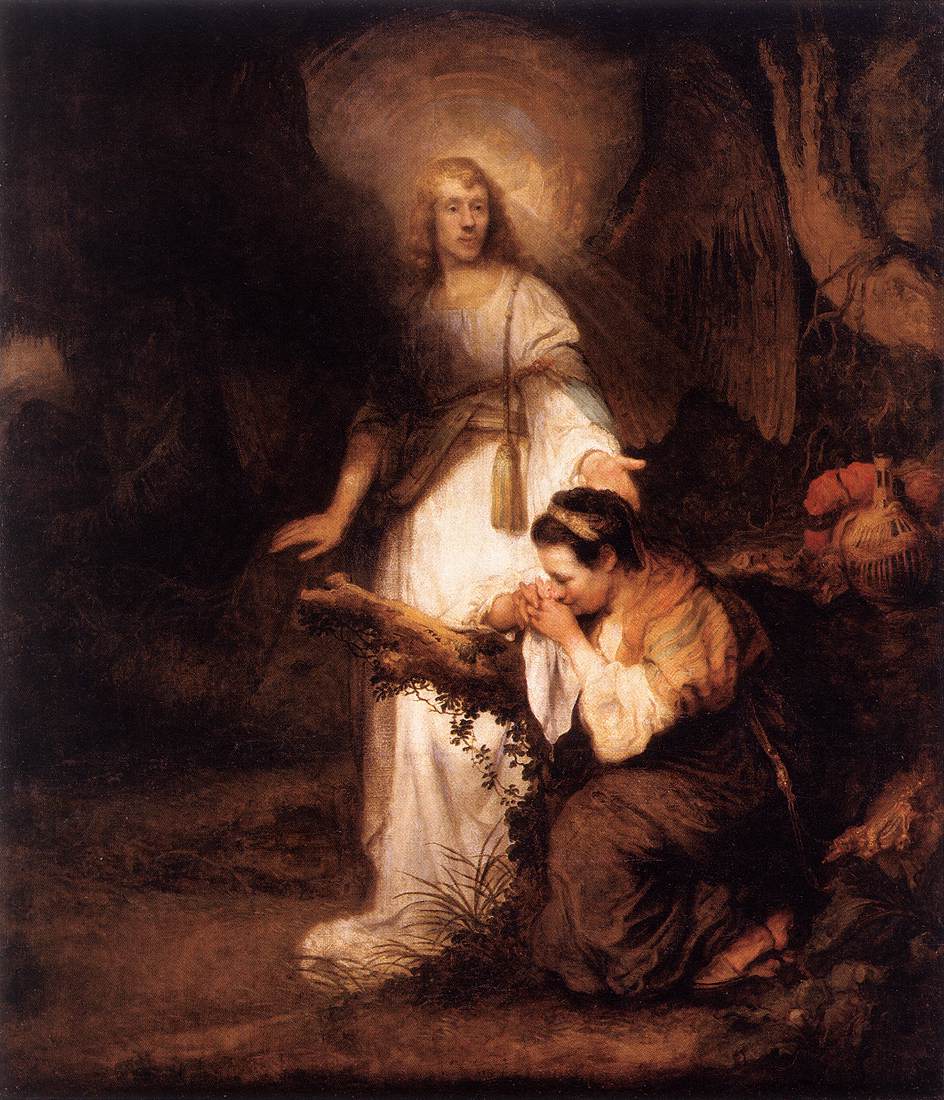
Dutch painter, part of a family of artists. Pieter Carelsz. (1598–1653) was a teacher and talented amateur painter, who apparently used the nickname 'Fabritius' (from Lat. faber: 'craftsman'). His son Carel Fabritius, despite his early death, had a great influence on late 17th-century Dutch painting. Pieter's second son Barent Fabritius was a lesser artist, much influenced by Rembrandt and by his own brother. A third son, Johannes Fabritius (1636–after 1693), was a still-life painter. Carel Fabritius was Rembrandt 's most gifted pupil and a painter of outstanding originality and distinction, but he died tragically young in the explosion of the Delft gunpowder magazine, leaving only a tiny body of work (much may have perished in the disaster). In his youth he worked as a carpenter (the name Fabritius was once thought to have derived from this profession, but it is now known that his father had used it) and he was probably in Rembrandt's studio in the early 1640s. He settled in Delft in about 1650. Although only about a dozen paintings by him are known, they show great variety. His earliest surviving works (The Raising of Lazarus, National Museum, Warsaw, c.1645) are strongly influenced by Rembrandt, but he broke free from his master and developed a personal style marked by an exquisite feeling for cool colour harmonies and (even though he often worked on a small scale) unerring handling of a loaded brush ( The Goldfinch, Mauritshuis, The Hague, 1654). These qualities, together with an interest in perspective. occur in the work of Vermeer, the greatest of Delft painters, and Fabritius certainly influenced him, although it is not likely (as is sometimes maintained) that he was his master, this distinction perhaps belonging to Bramer. Carel's brother Barent was also a painter, but of much lesser quality. He also may have studied with Rembrandt; he mainly painted portraits and religious works.
View all works →